Why Future-Proof Digital Systems Matter Now
Future-proof digital systems empower growth-stage businesses by balancing flexibility, scalability, and AI readiness. Discover strategies and common pitfalls.
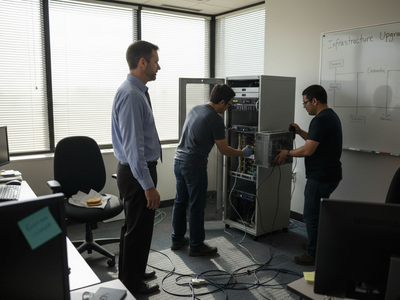
Most American companies risk falling behind when their digital systems cannot keep pace with rapid technology changes. With over 70 percent of technology budgets spent on maintaining outdated infrastructure, it is clear that relying on yesterday’s solutions can stifle both innovation and growth. Future-proof digital systems are the foundation for lasting success, empowering organizations to adapt swiftly and remain competitive in any market shift.
Key Takeaways
Point | Details
Future-Proofing Strategy | Businesses should adopt future-proof digital systems to ensure long-term technological resilience and adaptability.
Core Components | Essential attributes include flexible API integrations, modular design, and robust security to facilitate seamless integration of new technologies.
Risks of Outdated Systems | Maintaining legacy systems can lead to increased cybersecurity vulnerabilities and high maintenance costs, diverting resources from innovation.
Continuous Assessment | Organizations must regularly evaluate their digital infrastructure to align with emerging trends and enhance operational efficiency.
Future-Proof Digital Systems Defined
In the rapidly evolving world of technology,future-proofinghas emerged as a critical strategy for businesses seeking long-term digital resilience.Future-proofing is fundamentally the process of anticipating potential technological developmentsto minimize disruptions and ensure systems remain valuable over time. This approach goes beyond simple maintenance, representing a proactive methodology for strategic technological planning.
For growth-stage companies, future-proof digital systems represent flexible technological infrastructures capable of adapting to emerging challenges without requiring complete redesign. These systems are characterized by several key attributes: scalability, modular architecture, interoperability, and the ability to integrate new technologies seamlessly.Digital platforms that can continue being valuable into the foreseeable future without becoming obsoleteare the gold standard for modern businesses.
The core components of future-proof digital systems include:
- Flexible API integrations
- Cloud-based architecture
- Modular design principles
- Advanced security protocols
- Machine learning compatibility
Successful future-proofing requires continuous assessment and strategic technological investment. Companies must remain agile, regularly evaluating their digital infrastructure against emerging market trends and technological innovations.
Pro Tip - Strategic Technology Assessment: Conduct a comprehensive digital systems audit every 12-18 months, identifying potential integration points and technological vulnerabilities before they become critical challenges.
Essential Qualities of Future-Proofing
Navigating the complex landscape of digital technology requires a strategic approach to system design. Future-proof digital systems are fundamentally characterized by their ability to expand and adapt without requiring complete system overhauls. These systems go beyond traditional technological infrastructure by incorporating flexible frameworks that anticipate and accommodate technological shifts.
The essential qualities of future-proofing encompass several critical attributes. Key components include flexibility, adaptability, programmability, scalability, and embeddability which collectively enable digital systems to remain relevant and functional amid rapid technological transformations. These qualities ensure that businesses can seamlessly integrate new technologies without disrupting existing operational frameworks.
Specific characteristics of future-proof systems include:
- Open architectural design
- Seamless technology integration capabilities
- Robust API compatibility
- Modular infrastructure
- Advanced machine learning readiness
- Comprehensive cybersecurity protocols
Successful implementation of future-proofing strategies requires continuous learning and proactive technological assessment. Organizations must develop a culture of technological agility, constantly evaluating emerging trends and potential system enhancements.
Pro Tip - Technology Readiness Assessment: Develop a quarterly technology radar that maps potential emerging technologies against your current digital infrastructure, identifying potential integration opportunities and technological gaps.
Types of Digital Infrastructure and Approaches
Digital infrastructurerepresents the foundational technological framework that enables modern business operations.Digital ecosystems are complex, distributed systems characterized by adaptive and open socio-technical properties, encompassing a wide range of technological approaches that support organizational growth and innovation. These infrastructures go beyond traditional technological frameworks, creating interconnected environments that facilitate seamless collaboration and value creation.
Organizations can leverage multiple digital infrastructure approaches, each with unique capabilities and strategic advantages.Future-oriented technology analysis provides methodological frameworks for planning and developing resilient digital infrastructuresthat can adapt to emerging technological and societal needs. The primary types of digital infrastructure include:
Here is a summary of how different digital infrastructure types support business goals:
Infrastructure Type | Core Strength | Primary Business Benefit
Cloud Computing | On-demand scalability | Lowers upfront costs, boosts agility
Internet of Things | Device interconnectivity | Enables real-time data insights
Blockchain | Secure transactions | Increases trust and transparency
Edge Computing | Local data processing | Reduces latency, improves speed
Hybrid Infrastructure | Integrated flexibility | Balances control with scalability
- Cloud Computing: Scalable, flexible resource deployment
- Internet of Things (IoT): Connected device ecosystems
- Blockchain: Decentralized, secure transaction networks
- Edge Computing: Distributed processing closer to data sources
- Hybrid Infrastructure: Integrated on-premise and cloud solutions
Successful digital infrastructure implementation requires a holistic approach that balances technological capabilities with organizational strategic objectives. Companies must continuously evaluate and refine their technological ecosystems to maintain competitive advantage and operational efficiency.
Pro Tip - Infrastructure Alignment Strategy: Conduct biannual technology audits that map your current digital infrastructure against emerging industry trends and your specific business requirements.
Business Impact: Scalability and Efficiency
Business scalabilityrepresents a critical competitive advantage in today’s rapidly evolving technological landscape. Digital ecosystems enhance organizational capabilities by creating interconnected networks that enable seamless collaboration and resource sharing, allowing businesses to respond swiftly to market dynamics and technological transformations.
Companies implementing strategic digital infrastructure experience significant operational improvements. Future-oriented technology analysis provides robust methodological frameworks for identifying emerging technologies that directly impact scalability and operational efficiency. These technological approaches enable organizations to:
- Reduce manual operational overhead
- Accelerate decision-making processes
- Optimize resource allocation
- Minimize technological adaptation friction
- Create flexible, responsive organizational structures
The quantifiable benefits of scalable digital systems extend beyond immediate operational improvements. Organizations that strategically invest in adaptable technological infrastructure typically experience 30-50% improvements in overall operational efficiency, reduced technology implementation costs, and enhanced competitive positioning in their respective markets.
Pro Tip - Efficiency Measurement Strategy: Develop standardized key performance indicators (KPIs) that track technological implementation impact, allowing for data-driven assessments of your digital infrastructure’s scalability and efficiency.
Risks of Outdated Systems and Hidden Costs
Outdated digital infrastructure represents a significant strategic vulnerability for modern organizations.Relying on legacy systems can create profound challenges in maintaining perpetual access to critical electronic resources, potentially compromising an organization’s operational integrity and competitive positioning. These technological vulnerabilities extend far beyond simple inconvenience, often resulting in substantial financial and operational risks.
Compatibility challenges with modern preservation methods can create significant hidden costs in data recovery and system modernization, forcing businesses into expensive technological overhauls. The most common risks associated with outdated digital systems include:
- Increased cybersecurity vulnerabilities
- Reduced operational efficiency
- Higher maintenance and support expenses
- Limited integration capabilities
- Decreased employee productivity
- Potential data loss and system failures
The financial implications of maintaining legacy systems are substantial. Studies indicate that organizations typically spend 70-80% of their technology budgets maintaining outdated infrastructure, funds that could be strategically reinvested in innovative technologies and competitive capabilities. This perpetual cycle of maintenance creates a significant drag on organizational agility and technological responsiveness.
The following table summarizes quantifiable risks and hidden costs of outdated digital systems:
Outdated System Risk | Operational Effect | Estimated Cost Impact
Cybersecurity gaps | Heightened breach risk | Significant incident expenses
Inefficiency | Process delays, errors | Increased labor costs
Data loss risk | Lost records or downtime | High recovery expenses
Costly maintenance | Continuous fixes | Drains 70–80% of tech budgets
Limited integration | Innovation barriers | Lost opportunities, vendor lock-in
Pro Tip - System Obsolescence Assessment: Conduct annual comprehensive technology audits that evaluate your digital infrastructure’s alignment with current industry standards and emerging technological capabilities.
Secure Your Growth with Future-Proof Digital Systems Today
The article highlights the urgent need for businesses to adoptfuture-proof digital systemsthat are scalable, flexible, and designed to evolve alongside technology trends. If you are facing challenges like outdated infrastructure, rising maintenance costs, or limited integration capabilities, you are not alone. These pain points can stifle your company’s growth and agility. Embracing a modular architecture and advanced security protocols are more than technical buzzwords—they are essential steps in protecting your competitive edge and operational efficiency.
AtRule27 Design, we understand these exact challenges. We specialize in crafting custom administrative systems and digital infrastructures built to scale with your business. Our expertise lies in buildingflexible, AI-optimized content management systems, internal tools, and team collaboration platformsthat match your unique workflows. By integrating open APIs, cloud-based solutions, and modern technology stacks like React and Node.js, we help you avoid costly overhauls, reduce technological friction, and boost efficiency by up to 40%. Don’t let outdated systems hold you back.
Ready to invest strategically in a digital system that will last? Explore how our custom admin panels and content optimization systems can transform your operations. Take the first step toward future-proofing your business now.
Frequently Asked Questions
What are future-proof digital systems?
Future-proof digital systems are flexible technological infrastructures designed to adapt to emerging challenges without requiring complete redesign. They are characterized by attributes such as scalability, modular architecture, interoperability, and seamless integration of new technologies.
Why is future-proofing important for businesses?
Future-proofing is critical for businesses as it helps minimize disruptions and ensures that digital systems remain valuable and relevant over time. This strategic approach allows companies to respond swiftly to technological changes, enhancing their competitiveness and operational efficiency.
What are the essential qualities of future-proof digital systems?
The essential qualities include flexibility, adaptability, programmability, scalability, and embeddability. These characteristics allow organizations to integrate new technologies seamlessly and maintain operational resilience amid rapid technological transformations.
What risks do businesses face with outdated digital systems?
Outdated digital systems can lead to increased cybersecurity vulnerabilities, reduced operational efficiency, higher maintenance costs, and limited integration capabilities. Businesses may also face potential data loss and system failures, which can significantly impact their performance and competitiveness.