

Explore the role of intuitive design in SaaS with this comprehensive guide covering key principles, user impact, common pitfalls, and business benefits.
Most american SaaS platforms see over 60 percent of users abandon software after a confusing first experience. That reality puts intuitive design at the heart of digital success. By focusing on what truly makes an interface feel natural and almost effortless, businesses can turn complex products into solutions users embrace. Understanding the principles behind intuitive design gives teams the clarity they need to build software that not only meets but anticipates user needs.
Key Takeaways
| Point | Details |
|---|---|
| Intuitive Design Enhances User Experience | Focusing on user mental models leads to interfaces that feel natural and reduce cognitive load, promoting user satisfaction and retention. |
| User-Centered Design Drives Adoption | Aligning design with user behaviors can significantly lower learning curves and improve engagement, facilitating smoother onboarding processes. |
| Simplification is Key to Engagement | Avoiding design complexity helps maintain user interest and reduces abandonment rates; clarity in navigation and interface layout is essential. |
| Measurable Business Benefits | Investing in intuitive design can yield substantial operational improvements, including reduced support costs and increased conversion rates, making it a strategic priority. |
Defining Intuitive Design in SaaS Platforms
Intuitive design transcends mere visual appeal—it represents a strategic approach to creating digital interfaces that feel natural, seamless, and almost predictive of user needs. In the competitive world of Software as a Service (SaaS), platforms that prioritize user mental models and behavioral patterns gain substantial advantages in user adoption and retention.
At its core, intuitive design is about understanding how users think and interact with digital systems. Researchers have discovered that successful interfaces mirror users’ existing cognitive frameworks, allowing them to navigate complex platforms with minimal cognitive load. This means designing interfaces that don’t just look good, but feel like an extension of the user’s natural problem-solving process. By mapping user behavioral patterns, SaaS platforms can create experiences that seem to anticipate user needs before they fully articulate them.
Key characteristics of intuitive SaaS design include:
- Consistent visual language and interaction patterns
- Clear, predictable navigation flows
- Minimal required clicks to accomplish core tasks
- Context-aware interface elements
- Immediate feedback mechanisms
- Elegant error handling that guides users toward solutions
Successful intuitive design isn’t about simplifying to the point of limitation, but about creating intelligent systems that adapt to user workflows. It requires deep empathy, continuous user research, and a commitment to eliminating friction points in the digital experience. The goal is not just functional software, but a platform that feels like it was crafted specifically for the individual user’s unique needs and working style.
Core Principles of Effective Intuitive Interfaces
User-Centered Design forms the foundational framework for creating truly intuitive digital interfaces. By prioritizing deep understanding of user behaviors and challenges, SaaS platforms can develop experiences that feel remarkably natural and responsive to user needs. This approach goes beyond surface-level aesthetics, diving into the cognitive and emotional landscape of how people interact with technology.
The core principles of effective intuitive interfaces center on empathetic design methodologies that consistently prioritize user experience. These principles include creating systems that are not just functional, but psychologically aligned with user expectations. Key strategies involve:
- Maintaining consistent interaction patterns
- Providing clear visual hierarchies
- Implementing predictive navigation flows
- Offering contextual guidance and support
- Designing for cognitive efficiency
Successful interface design requires continuous iteration and a commitment to understanding user mental models. This means conducting regular user research, collecting granular feedback, and being willing to deconstruct and rebuild interfaces based on real-world interaction data. The most powerful intuitive interfaces aren’t static monuments to design, but living systems that evolve alongside user needs, constantly refining themselves to reduce cognitive friction and enhance user productivity.
Ultimately, creating an intuitive interface is about crafting a digital experience that feels less like using software and more like an extension of the user’s own problem-solving capabilities. It demands a holistic approach that balances technical functionality with human-centered design principles, transforming complex systems into experiences that feel remarkably simple and profoundly effective.
How Intuitive Design Drives User Adoption
User adoption represents the critical bridge between software potential and actual business value. Research demonstrates that intuitive design directly correlates with higher conversion rates and reduced customer support costs, making it a strategic imperative for SaaS platforms seeking sustainable growth. When users encounter an interface that feels natural and predictable, they’re more likely to engage deeply and consistently with the platform.
The mechanics of user adoption are fundamentally rooted in reducing cognitive friction. By aligning digital interfaces with users’ existing mental models and behavioral patterns, SaaS platforms can dramatically lower the learning curve and accelerate user onboarding. This approach transforms complex systems into experiences that feel intuitive and almost effortless. Key factors that drive user adoption through design include:
- Minimizing required steps to complete tasks
- Providing clear, immediate feedback
- Creating predictable interaction patterns
- Implementing intelligent default settings
- Offering contextual guidance without overwhelming users
Successful user adoption goes beyond initial engagement—it’s about creating sustained value that keeps users returning. This means designing interfaces that not only solve immediate problems but anticipate future user needs. By continuously gathering user feedback, analyzing interaction data, and iteratively refining the user experience, SaaS platforms can create adaptive interfaces that grow more intuitive with each interaction. The ultimate goal is transforming software from a tool users must learn to a partner that understands and supports their unique workflow.
Avoiding Common Design Pitfalls in SaaS
Design complexity represents the silent killer of user engagement in SaaS platforms. Research reveals that neglecting user needs and preferences can dramatically undermine software adoption, transforming potentially powerful tools into frustrating experiences that users quickly abandon. Understanding and preempting common design pitfalls is crucial for creating interfaces that not only attract users but keep them consistently engaged.
Comprehensive design guidelines emphasize the critical importance of avoiding overwhelming interfaces that can confuse and disengage users. The most prevalent design pitfalls in SaaS platforms include:
- Overcrowded dashboards with excessive information
- Inconsistent navigation patterns
- Lack of clear user onboarding processes
- Hidden or non-intuitive feature access
- Complex multi-step workflows
- Insufficient contextual help and guidance
Successful SaaS design requires a relentless commitment to simplicity and user-centricity. This means continuously refining interfaces through user feedback, conducting regular usability testing, and maintaining a laser focus on solving actual user problems rather than implementing features in isolation. The most effective platforms treat design as an ongoing conversation with users, constantly adapting and streamlining the experience to reduce cognitive friction and enhance productivity. By anticipating potential points of user frustration and proactively designing around them, SaaS platforms can transform potentially complex systems into intuitive, user-friendly experiences that feel almost magical in their simplicity.
Business Impact and Measurable Benefits
Intuitive design transcends aesthetic considerations, delivering tangible financial and operational advantages for SaaS platforms. Research demonstrates that implementing user-centered interfaces directly correlates with significant business performance improvements, including reduced support costs, enhanced user retention, and accelerated adoption rates. These measurable outcomes transform design from a peripheral consideration to a strategic business imperative.
The quantifiable benefits of intuitive design manifest across multiple critical business dimensions:
- Reduced customer support expenses
- Lower user onboarding time and complexity
- Increased user engagement and retention rates
- Higher conversion rates from trial to paid subscriptions
- Improved overall user satisfaction scores
- Decreased user churn and abandonment rates
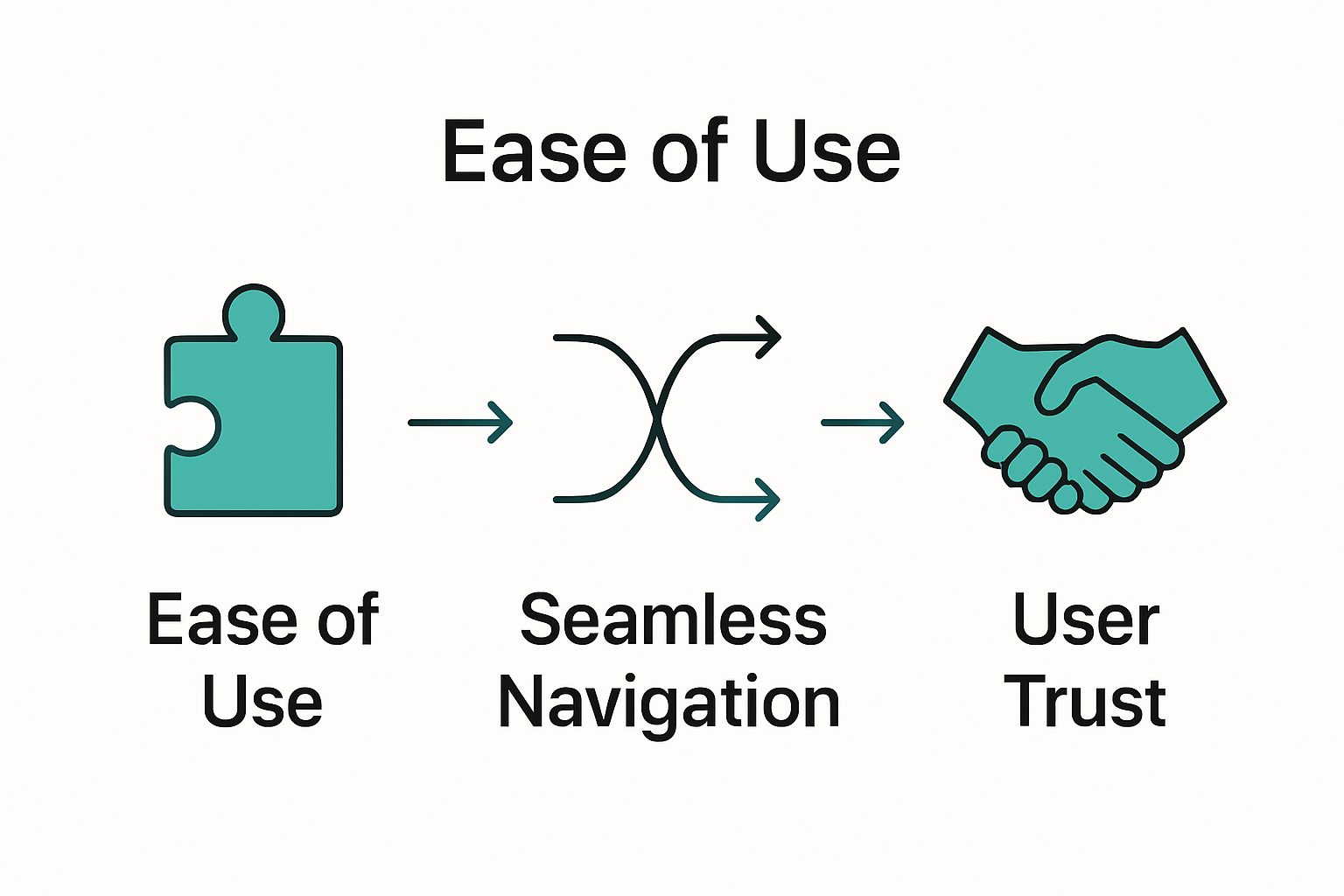
Strategic investment in intuitive design represents a powerful competitive differentiator in today’s complex digital marketplace. By prioritizing user experience as a core business strategy, SaaS platforms can create measurable economic value that extends far beyond surface-level interactions. The most successful organizations recognize that every interaction point represents an opportunity to build trust, demonstrate value, and create lasting user relationships. Ultimately, intuitive design is not just about making software easy to use—it’s about creating digital experiences that feel so natural and seamless that users can focus entirely on achieving their core business objectives.
Unlock the Power of Intuitive Design with Custom SaaS Solutions
The article highlights how intuitive design plays a crucial role in reducing cognitive friction and improving user adoption in SaaS platforms. If your team struggles with complex workflows, inconsistent interfaces, or low user engagement, these are clear signs your software lacks an intuitive design tailored to real user behavior. At Rule27 Design, we understand these challenges deeply and specialize in building custom admin panels, content management systems, and internal tools that align perfectly with how your team works. Our approach prioritizes consistent interaction patterns, context-aware interfaces, and streamlined navigation to help your users get more done with less frustration.
Are you ready to transform your digital infrastructure and boost operational efficiency by up to 40 percent? Explore how we build custom SaaS solutions that feel like natural extensions of your team’s workflow. Visit Rule27 Design to discover tailored systems designed to improve task completion speed, enhance user satisfaction, and drive adoption. Don’t settle for off-the-shelf tools that create friction. Take the first step toward intuitive software that grows with your business today.
Frequently Asked Questions
What is intuitive design in SaaS platforms?
Intuitive design in SaaS platforms refers to creating digital interfaces that feel natural and seamless for users, allowing them to navigate easily based on their mental models and behavioral patterns.
How does intuitive design impact user adoption of SaaS?
Intuitive design significantly enhances user adoption by reducing cognitive friction, making it easier for users to engage with the platform, thereby improving conversion rates and customer retention.
What are the key characteristics of an intuitive SaaS interface?
Key characteristics include consistent visual language, clear navigation, minimal clicks for core tasks, context-aware elements, immediate feedback, and effective error handling that guides users towards solutions.
How can SaaS platforms avoid common design pitfalls?
SaaS platforms can avoid design pitfalls by maintaining simplicity, ensuring clear user onboarding, providing contextual help, and regularly gathering user feedback to refine the design and minimize confusion.

About the Author
Josh AndersonCo-Founder & CEO at Rule27 Design
Operations leader and full-stack developer with 15 years of experience disrupting traditional business models. I don't just strategize, I build. From architecting operational transformations to coding the platforms that enable them, I deliver end-to-end solutions that drive real impact. My rare combination of technical expertise and strategic vision allows me to identify inefficiencies, design streamlined processes, and personally develop the technology that brings innovation to life.
View Profile

