

Unlock the role of analytics in e-commerce with this comprehensive guide. Learn types, benefits, use cases, risks, and success strategies for 2024.
Over 90 percent of american online retailers rely on analytics to shape their strategies and stay ahead in a fiercely competitive market. With so many choices available to consumers, businesses need more than instinct to make smart decisions about products, marketing, and customer service. Understanding e-commerce analytics provides crucial insights that help companies not just survive but thrive by turning raw numbers into clear action steps for growth.
Key Takeaways
| Point | Details |
|---|---|
| E-Commerce Analytics as a Strategic Asset | E-commerce analytics is essential for understanding consumer behavior and measuring market trends, driving data-driven decisions for business growth. |
| Integration and Workflow Automation | Effectively integrating analytics into digital workflows enhances performance and decision-making across all departments. |
| Challenges in Data Privacy and Security | Businesses face significant challenges regarding data privacy and must implement advanced protective measures to ensure compliance and customer trust. |
| Predictive Analytics for Operational Efficiency | Utilizing predictive analytics allows businesses to forecast customer behavior, optimize inventory, and enhance overall operational efficiency. |
Defining Analytics in E-Commerce Today
In the rapidly evolving digital marketplace, e-commerce analytics has transformed from a peripheral business function to a mission-critical strategic asset. According to assumptionjournal, data analytics serves as a powerful value creator for the e-commerce industry, enabling businesses to measure market trends and comprehensively understand consumer behavior.
At its core, e-commerce analytics represents the systematic examination of massive datasets generated through online transactions and digital consumer interactions. ijnrd emphasizes that this process goes beyond simple number crunching, involving sophisticated statistical analysis and machine learning techniques to extract meaningful insights and predictive patterns. These advanced analytical approaches allow businesses to transform raw data into actionable intelligence.

Key components of modern e-commerce analytics include:
- Customer Behavior Tracking: Monitoring user journeys, click patterns, and engagement metrics
- Conversion Rate Optimization: Identifying friction points in the purchasing process
- Predictive Inventory Management: Forecasting product demand and supply chain requirements
- Personalization Strategies: Developing targeted marketing and recommendation engines
By leveraging these analytical capabilities, businesses can make data-driven decisions that enhance operational efficiency, improve customer experiences, and ultimately drive sustainable growth in an increasingly competitive digital marketplace.
Types of E-Commerce Analytics Solutions
E-commerce analytics solutions have rapidly evolved to meet the complex data tracking and analysis needs of modern digital businesses. umatechnology highlights that contemporary analytics platforms are distinguished by their ability to provide cross-platform tracking, event-based data models, and comprehensive e-commerce reporting capabilities.
The landscape of e-commerce analytics tools can be broadly categorized into several specialized solution types. matomo provides insights into the diverse range of tools available, which typically include:
- Web Analytics Platforms: Comprehensive tracking of website traffic, user behavior, and conversion metrics
- Conversion Rate Optimization (CRO) Tools: Specialized in analyzing and improving purchase funnel performance
- Customer Journey Mapping Solutions: Tracking end-to-end user interactions across multiple digital touchpoints
- Predictive Analytics Systems: Using machine learning to forecast customer behaviors and sales trends
The most advanced e-commerce analytics solutions now integrate multiple data streams, offering businesses unprecedented visibility into their digital performance. These platforms go beyond simple traffic monitoring, providing deep insights into customer segmentation, personalization opportunities, and strategic decision-making support. By combining real-time data analysis with predictive modeling, modern analytics tools empower businesses to anticipate market shifts, optimize user experiences, and drive sustainable growth in an increasingly competitive digital marketplace.
Key Benefits and Real-World Applications
E-commerce analytics has emerged as a transformative tool for businesses seeking to gain competitive advantages in the digital marketplace. ijnrd research highlights that web analytics play a critical role in enhancing strategic decision-making by providing deep insights into marketing performance, customer behavior, and predictive forecasting.
The real-world applications of e-commerce analytics are remarkably diverse and powerful. businessmanagementeconomic demonstrates how data analytics enables sophisticated customer profiling, leading to highly personalized shopping experiences that significantly boost conversion rates and customer satisfaction.
Key benefits of implementing comprehensive e-commerce analytics include:
- Precise Customer Segmentation: Identifying and targeting specific customer groups with tailored marketing strategies
- Operational Efficiency: Streamlining inventory management and supply chain processes
- Revenue Optimization: Identifying high-performing products and sales channels
- Risk Management: Detecting potential fraud and minimizing transactional risks
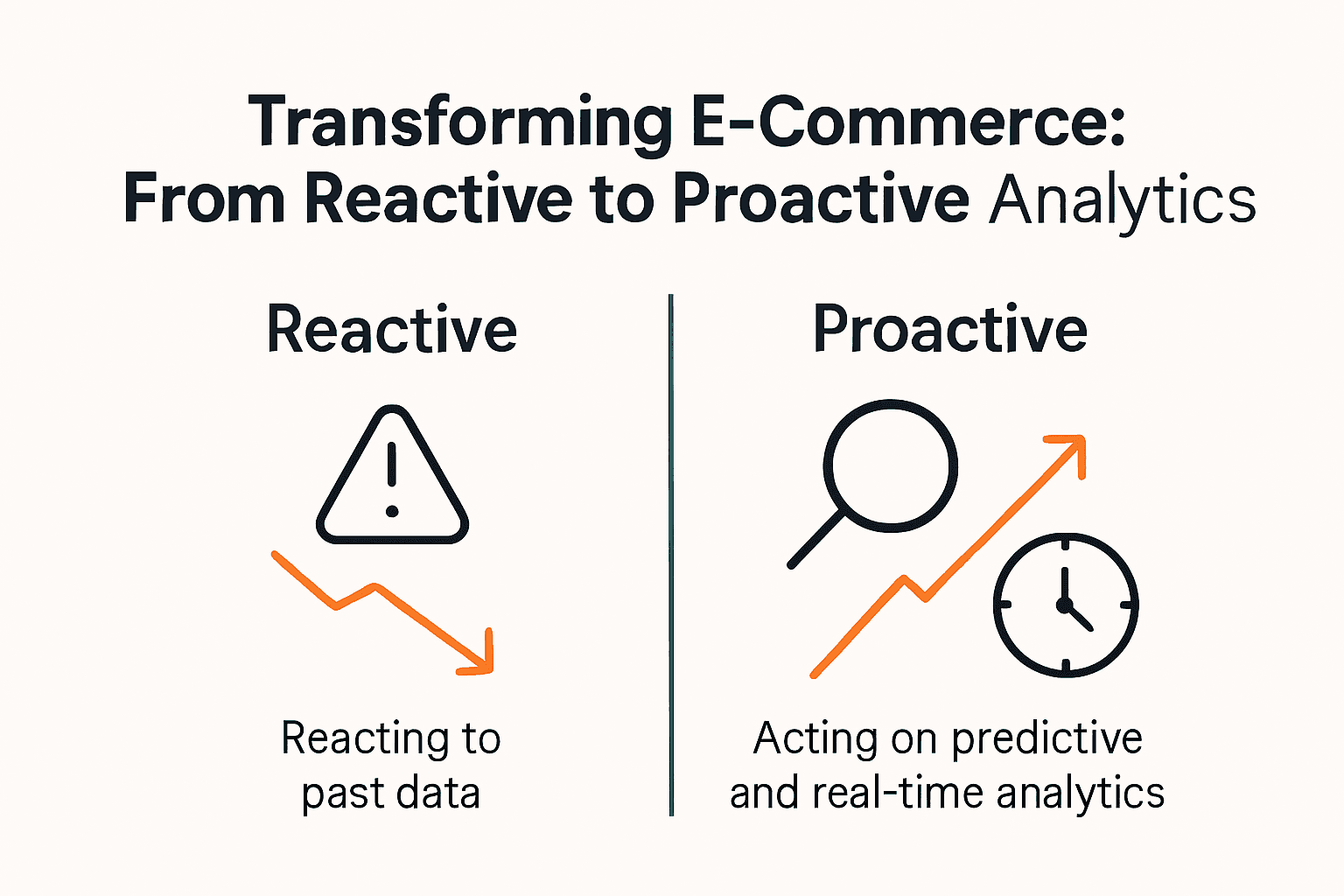
By leveraging advanced analytical capabilities, businesses can transform raw data into strategic insights. These tools enable organizations to move beyond reactive approaches, allowing them to proactively anticipate market trends, optimize customer experiences, and make data-driven decisions that drive sustainable growth and competitive differentiation.
Integrating Analytics Into Digital Workflows
Successful e-commerce businesses recognize that analytics integration is no longer an optional strategy but a critical operational imperative. umatechnology emphasizes the importance of seamlessly embedding analytics tools across digital hosting environments to optimize performance, enhance security, and drive strategic decision-making.
The process of integrating analytics into digital workflows requires a comprehensive and systematic approach. insightland highlights that effective integration goes beyond simple data collection, focusing instead on creating interconnected systems that transform raw information into actionable business intelligence.
Key strategies for effective analytics workflow integration include:
- Automated Data Synchronization: Connecting multiple platforms to ensure real-time data flow
- Cross-Functional Dashboard Development: Creating unified visualization tools for different team departments
- Workflow Automation: Implementing trigger-based actions based on analytical insights
- Continuous Performance Monitoring: Establishing ongoing evaluation mechanisms
Modern digital workflows demand a holistic approach to analytics integration. By developing adaptive systems that can quickly interpret and respond to complex data signals, businesses can create more responsive, intelligent operational environments that anticipate market changes, optimize customer experiences, and drive sustainable competitive advantages.
Common Challenges and Risk Management
E-commerce analytics presents a complex landscape of technological and operational challenges that require strategic risk management. ijnrd highlights that data privacy emerges as a critical concern, with businesses needing robust mechanisms to protect sensitive customer information while extracting meaningful insights.
ijnrd further emphasizes the intricate challenges surrounding data integration and security in web analytics. The complexity of merging multiple data streams while maintaining system integrity demands sophisticated technological infrastructure and proactive risk mitigation strategies.
Key challenges and corresponding risk management approaches include:
- Data Privacy Protection: Implementing advanced encryption and anonymization techniques
- Security Vulnerability Management: Conducting regular comprehensive system audits
- Data Interpretation Accuracy: Developing rigorous validation and cross-referencing protocols
- Regulatory Compliance: Staying updated with evolving data protection regulations
Successful risk management in e-commerce analytics requires a multifaceted approach that balances technological innovation with stringent protective measures. By developing adaptive, transparent systems that prioritize both data utility and customer trust, businesses can navigate the complex digital landscape while maintaining competitive advantage and regulatory compliance.
Unlock the Full Potential of Your E-Commerce Analytics with Custom Solutions
The article highlights the growing complexity and critical importance of e-commerce analytics in driving business growth. You may be struggling with fragmented data streams, integration challenges, or the need for actionable insights that truly match your unique operational workflows. Concepts like customer behavior tracking, predictive inventory management, and seamless analytics integration are essential but often require more than just off-the-shelf tools can offer.
At Rule27 Design, we understand these pain points deeply. Our custom admin panels and digital infrastructure solutions bridge the gap between limited, generic software and costly enterprise systems. We help businesses like yours transform raw data into clear, actionable intelligence that powers better decision-making and boosts operational efficiency. Imagine having tools tailored to your unique needs that improve content visibility in AI search results while enabling predictive analytics and personalized customer experiences.
Are you ready to elevate your e-commerce analytics and workflow integration?

Explore how our custom-built systems can help you harness the full power of your e-commerce data. Visit Rule27 Design today to learn more about our expertise in building scalable, efficient solutions designed specifically for growing companies. Take the next step toward smarter analytics and sustainable growth now.
Frequently Asked Questions
What is e-commerce analytics?
E-commerce analytics is the systematic examination of large datasets generated through online transactions and digital consumer interactions, helping businesses derive actionable insights and optimize their performance.
How can businesses benefit from e-commerce analytics?
Businesses can leverage e-commerce analytics for precise customer segmentation, enhanced operational efficiency, revenue optimization, and risk management, ultimately driving sustainable growth and improved customer experiences.
What types of tools are available for e-commerce analytics?
E-commerce analytics solutions include web analytics platforms, conversion rate optimization tools, customer journey mapping solutions, and predictive analytics systems, providing comprehensive insights into user behavior and business performance.
How can analytics be integrated into digital workflows?
Analytics can be integrated into digital workflows through automated data synchronization, cross-functional dashboard development, workflow automation, and continuous performance monitoring to optimize decision-making and enhance operational efficiency.

About the Author
Josh AndersonCo-Founder & CEO at Rule27 Design
Operations leader and full-stack developer with 15 years of experience disrupting traditional business models. I don't just strategize, I build. From architecting operational transformations to coding the platforms that enable them, I deliver end-to-end solutions that drive real impact. My rare combination of technical expertise and strategic vision allows me to identify inefficiencies, design streamlined processes, and personally develop the technology that brings innovation to life.
View Profile

